In India, celebrity endorsements seemed almost organic at one time. People tend to trust someone they feel they already know and recognise. Brands did not merely purchase reach; they also acquired confidence. Whether it be the discipline of a sportsperson, the credibility of an actor, or the consistency of a public figure, an athlete, actor or a public figure is always transferring their quiet character to the brand they represent.
Consider the manner in which Sachin Tendulkar became synonymous with trust, longevity and excellence and therefore was an association that had value across a wide variety of categories or how the voice and presence of Amitabh Bachchan gave gravitas to brands and social initiatives.
The recommendations were made not as endorsements but as personal ones. Shoppers believed that their personalities, which made them money in actual life, would also reflect on the brands they represented.
What gave such longevity to the model?
Why The Model Worked For So Long
Celebrity endorsements thrived because they were aspirational. Individuals were no longer admired just for their fame but also for the years of work that went into it, and the various experiences, setbacks, reinvention, and discipline that were involved. If a brand had aligned with that story, it was instantly relevant.
This was powerful for marketers. One face may unlock mass awareness and emotional recall. Even celebrities served as cultural unifiers in a diverse nation like India. Whether it was MS Dhoni conveying calm leadership or Shah Rukh Khan's ambition and resilience, no brand tapped the emotional wire that advertising could not manufacture.
The Silent Entrance of AI Ambassadors
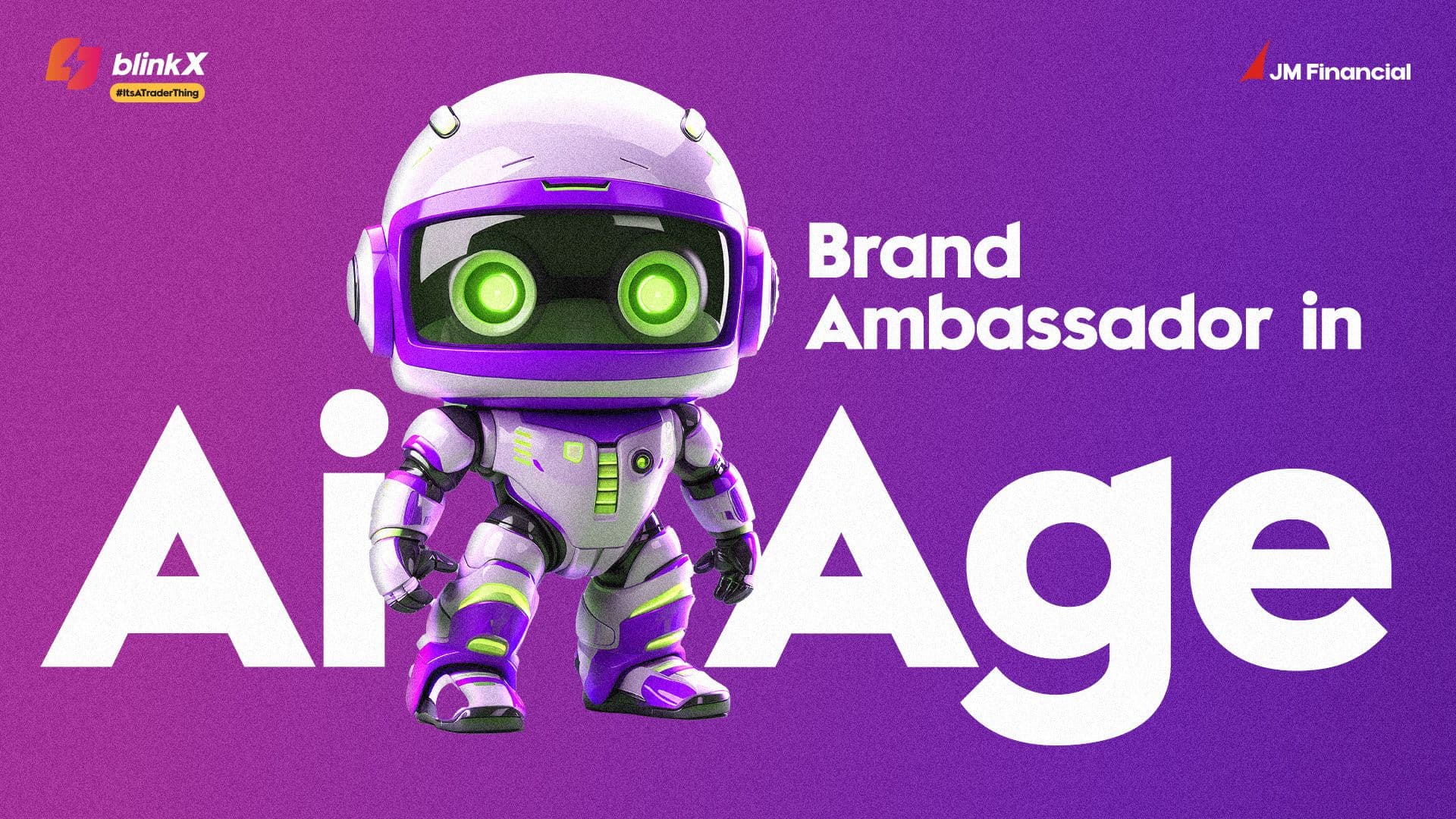
Brand ambassadorship is becoming unfamiliar territory today. Virtual influencers, brand ambassadors created by AI, aren’t an experiment anymore. Digital characters like Lil Miquela have worked with several fashion brands from around the world, while the virtual Colonel Sanders of KFC has also been created. Similarly, brands in India are exploring AI-led personas for content creation, regional customisation and scaling.
It is clear why this prospect is appealing.
AI ambassadors are controllable, scalable, and always on-brand. They do not get old, incur no controversies and can be rolled out across markets quickly. For marketers under constant pressure for consistency and efficiency, it seems a natural evolution.
Why AI Still Can’t Replicate
AI ambassadors can imitate personality, yet they have not led a life. Such individuals have yet to face public failure, reinvent themselves, or earn decades of credibility. Indian consumers still place great value on human proof in categories such as finance, health, and long-term lifestyle choices.
In India, faith comes from familiarity and lived experience. A household name today, people are buying Kohli’s influence not just because of his batting prowess, but because he has lived his transformation in front of their eyes professionally and personally. It is not easy to replicate that depth just through code.
Celebrity Endorsements Need to Change, Too.
This certainly does not imply that traditional celebrity endorsements are above question. The audience today can see through surface associations so easily. An ad feels transactional if a celebrity appears without visible alignment.
Currently, belief and involvement are what work. Celebrities, who contribute effort, lend their voices to the cause, or form long-term associations, are deemed more credible. The transition is from “face value” to “value alignment”.
The Middle Way: Digital Scale Meets Human Depth.
It is improbable that the future of brand ambassadorships will be binary. AI will not be competing against celebrities, but rather complementing them in a way that serves a different purpose. Brands can use AI to create more content at scale and individualise, and to be more culturally agile. Celebrities add emotional weight, experience, and established trustworthiness.
The growing influence of creators, founders and even employees adds to the mix, making ambassadorship an ecosystem instead of just any endorsement.
What This Means for Marketers
It’s not which side to be on; it’s exercising judgment. Tech should enhance trust, not take its place. You should feel earned ambassadorship, not engineered. In modern times, endorsements are not going anywhere. They are being given new meanings. In addition, maybe most importantly, remember that people do not connect with perfection but rather with belief. Brands that retain their human core will always be important, no matter how advanced technology becomes.
Disclaimer: Information is only for educational/Knowledge sharing purposes and not for soliciting any Investment or to influence investment/sale decisions of any person. The securities are quoted as an example and not as a recommendation. For registration details & disclaimer, please visit https://www.jmfinancialservices.in