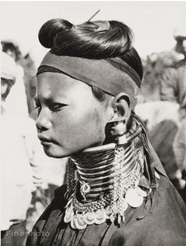
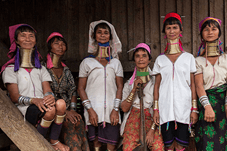
Beauty lies in the eye of the beholder” is a phrase we hear all the time. But I didn’t truly understand it until I learned about the Padaung (Kayan) long-neck women of Myanmar.
I had initially thought of the women that I met at Inle Lake during my first visit to be typical, but the people who live there see them as part of their natural lives. They are all very nice and friendly; indeed, you can tell this from the way they respond to you. However, the other visitors to the area do not see them the same way. Many visitors first coming to this area seem to be both curious and also have a bit of an uncomfortable feeling about it, which is something I continue to think about.
Niharika Shetty
13 Mar 2026
From Necessity to Identity
The tradition of wearing bronze neck rings didn’t begin as a fashion statement. It grew from belief, protection, and survival. Some stories speak of spiritual safety; others suggest protection during dangerous times. In my opinion, what was most striking, regarding these women, was that there are so many different ways in which we have been conditioned regarding beauty and elegance.
The first time I saw the rings that the women wear around their necks, I remembered that many, many years ago, they started wearing them as a necessity for their necks, and it has now turned into a tradition within their culture. These rings are now a part of their identity. For this community of women, having a long neck is normal for them. They have a lot of respect for all women who have long necks. It was at this point that my personal view of fashion began to change.
Who Decides What’s Beautiful?
We often look at cultures different from our own and label them as “strange” or “unusual.” But that judgment usually comes from viewing the world through a narrow lens.
Beauty and elegance don’t follow universal rules. They shift across cultures, across time, and across individual experiences. What one society celebrates, another may not, and that doesn’t make either right or wrong.
The Padaung women didn’t reshape themselves to fit someone else’s definition of beauty. They defined beauty on their own terms.
A Reflection Closer to Home
When I think about it, fashion everywhere has followed a similar path. Clothing once served a simple purpose: protection and practicality. Over time, it evolved into a powerful form of self-expression.
What we wear today reflects our identity, our confidence, and our story. In that sense, the Padaung women were never following a trend. They were honouring who they are.
What Stayed With Me
This story reminded me that elegance can’t be boxed in or standardised. Beauty is subjective. It does not require anyone else's approval to be considered beautiful. Some people will not appreciate beauty; however, if you can look in the mirror and see that you are a beautiful person, and that you feel beautiful within yourself, the only opinions that will be important are those of your family and friends.
Final Words
Fashion has taught me that true fashion is being proud of being yourself and not being afraid of being yourself. Beauty doesn’t need permission. It doesn’t have to be understood by everyone. It only needs to feel authentic to the person wearing it. And maybe that’s the simplest takeaway of all:
Fashion isn’t about fitting in; it’s about owning who you are.
Disclaimer: Information is only for educational/Knowledge sharing purposes and not for soliciting any Investment or to influence investment/sale decisions of any person. The securities are quoted as an example and not as a recommendation. For registration details & disclaimer, please visit https://www.jmfinancialservices.in
Niharika-Shetty
Niharika Shetty
With over 10 years of experience in retail broking and financial services, Niharika currently serves as a Senior Associate at JM Financial Ltd. Her role integrates brand strategy, business communication, and reputation management, leading marketing initiatives that include public relations, content creation, and stakeholder engagement.
Niharika’s professional approach is deeply rooted in cultural anthropology, focusing on how global cultures, human migration, and identity shape perception and decision-making. These insights influence her view of branding as a reflection of real human experiences. She is passionate about creating credible communication strategies that foster trust and long-term growth in the financial sector.