
Fundamental Analysis vs Technical Analysis: Key Differences Explained




- ▶<span lang="EN-US" dir="ltr"><strong>What is Fundamental Analysis?</strong></span>
- ▶<span lang="EN-US" dir="ltr"><strong>What Is Technical Analysis?</strong></span>
- ▶<span lang="EN-US" dir="ltr"><strong>Key Differences Between Fundamental Analysis and Technical Analysis</strong></span>
- ▶<span lang="EN-US" dir="ltr"><strong>Pros & Cons of Fundamental Analysis</strong></span>
- ▶<span lang="EN-US" dir="ltr"><strong>Pros & Cons of Technical Analysis</strong></span>
- ▶<span lang="EN-US" dir="ltr"><strong>How Fundamental and Technical Analysis Are Used Together</strong></span>
- ▶<span lang="EN-US" dir="ltr"><strong>Conclusion</strong></span>
Fundamental analysis involves the study of the inherent worth of a company’s business, whereas technical analysis is concerned with the price movements. Investors tend to observe both of these methodologies in order to learn more about the difference between fundamental analysis and technical analysis. Both methodologies have different uses in different investment patterns.
Many investors study fundamental analysis vs technical analysis because both concepts have the ability to offer organised a view on valuation and market price action. An understanding of fundamental and technical analysis could help one integrate methodology with financial objectives and research choices.
What is Fundamental Analysis?
Fundamental analysis is essentially the process whereby one makes an assessment of the intrinsic value of a security or company through examining its financial statements.
Key components of fundamental analysis include:
- Analysis of income statements, balance sheets, and cash flow reports
- Analysis of revenue growth rates, profits, debt, and stability of earnings
- Evaluation of industry outlook and economic conditions
- Assessment of the quality of the company’s management, position in the marketplace, and brand power
Simple example:
An investor reviews a company’s financial reports and estimates its future earning potential. If the stock price appears lower than its assessed intrinsic value, the investor may consider it undervalued from a fundamental vs technical analysis perspective.
This method is often discussed when analysing the fundamental analysis and technical analysis difference, especially in the context of long-term investing.
What Is Technical Analysis?
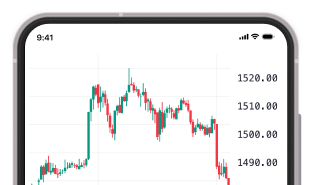
Technical analysis refers to the analysis of movements or patterns of trade with the help of charts and market indicators over a specified time period. Technical analysis does not rely on the fundamentals of the company but rather on the trends of the stock and the psychology of the market.
Key components of technical analysis include:
- Employing price charts, candle patterns, and trend lines
- Analysis of support and resistance levels
- Study of trading volume and market momentum
- Use of indicators such as RSI, moving averages, or MACD
Simple example:
A trader studies price charts and identifies a breakout above resistance. Based on historical price behaviour, they may consider it a potential buying opportunity from a fundamental analysis vs technical analysis comparison point of view.
This approach is frequently referenced when discussing technical analysis vs fundamental analysis, which is better, especially for short-term market participation.
Key Differences Between Fundamental Analysis and Technical Analysis
The difference between fundamental analysis and technical analysis can be understood through the following comparison:
| Parameters | Fundamental Analysis | Technical Analysis |
| Objective | Determine intrinsic value | Predict price movement |
| Time Horizon | Long-term | Short to medium-term |
| Data Used | Financial statements, earnings, industry performance | Price and volume data |
| Investor Type | Long-term investors | Traders and short-term participants |
| Tools Used | Financial ratios, reports, economic metrics | Charts, indicators, price patterns |
This comparison highlights the core fundamental analysis and technical analysis differences across objectives, tools, and usage styles.
Pros & Cons of Fundamental Analysis
| Pros of Fundamental Analysis | Cons of Fundamental Analysis |
| Provides in-depth understanding of business and financial health | Time-consuming and research-intensive |
| Supports long-term oriented assessments | May not suit short-term trading needs |
| Helps in risk evaluation through business fundamentals | Involves subjective interpretation of qualitative factors |
| Considers management quality and market position | Markets may not always reflect intrinsic value |
| Adaptable across sectors and asset classes | Excess information may lead to analysis paralysis |
This table further explains the difference between fundamental and technical analysis in terms of research depth and application style.
Pros & Cons of Technical Analysis
| Pros of Technical Analysis | Cons of Technical Analysis |
| Enables timely decisions using real-time price data | Popular indicators may create self-fulfilling patterns |
| Easier to interpret through graphical charts | Short-term noise may lead to false signals |
| Supports risk-management through stop-loss tools | Interpretations may vary across analysts |
| Reflects market sentiment and psychology | Ignores underlying business fundamentals |
| Works across multiple asset classes | Too many indicators may cause confusion |
These points contribute to ongoing discussions such as technical analysis vs fundamental analysis which is better depending on user preferences and objectives.
How Fundamental and Technical Analysis Are Used Together
The investors can combine the two strategies as follows:
- Start with fundamentals to identify financially stable and growth-oriented companies
- Use technical indicators to determine possible entry or exit points
- Cross-check trends and price signals before making decisions
- Apply risk-management tools to maintain discipline
- Monitor both business performance and market behaviour over time
This combined approach may help bridge the fundamental analysis vs technical analysis gap in practical scenarios.
Disclaimer: All investments are subject to market risks, economic conditions, regulatory changes, and other external factors. Returns are not guaranteed and may vary based on market performance and investment tenure. Investors should assess their risk tolerance and financial objectives, conduct their own research, and consult a qualified financial advisor before making any investment decisions.
Conclusion
The difference between fundamental analysis and technical analysis generally lies in their objectives, data sources, and time horizons. Fundamental analysis focuses on business value and long-term perspectives, whereas technical analysis studies market trends and price patterns. The choice between the two often depends on investment style, risk tolerance, and financial goals. Many individuals prefer to use both approaches together, especially when engaging in research-based decisions through a stock market trading app or other investment platforms.
- BlinkX launches ItsATraderThing Campaign
- blinkX Introduces 'Options Watchlist' to Empower Traders with Real-Time Insights
- BlinkX Enhances Trading with 24/7 Customer Support Capabilities
- Unlocking Seamless Trading: Introducing “Order Slicing” For The FnO Market
- A Game-Changer for Traders: Introducing Horizontal Watchlists
FAQs of Difference Between Fundamental Analysis and Technical Analysis
What are the tools used in Fundamental Analysis?
Tools may include financial ratios, earnings reports, balance sheets, cash-flow statements, industry data, and valuation of metrics
What tools are used in Technical Analysis?
Common tools include price charts, moving averages, RSI, MACD, support-resistance levels, and trend indicators.
Which is better, fundamental, or technical analysis?
Neither method is universally better. The choice usually depends on time horizon, investment objectives, and individual strategy preferences within the fundamental vs technical analysis context.
What are the common mistakes to avoid?
Over-reliance on a single indicator, ignoring market conditions, emotional decision-making, and not reviewing broader financial context.
Is technical analysis good for the long term?
Technical analysis is typically aligned with short- to medium-term observations. Long-term insights are generally linked to fundamentals.