How to Become an Active Trader

 01 Oct 2026
 1 mins read





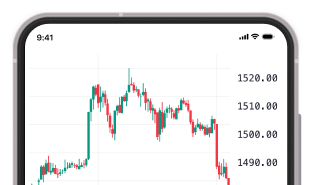
Learning how to become an active trader involves understanding market mechanics, developing a structured approach, and managing the risks associated with frequent market participation. The steps to become an active trader can vary based on an individual's experience, financial objectives, and risk tolerance.
What is Active Trading?
Understanding active trading is the first step toward becoming an active trader.
- Active trading generally involves frequent buying and selling of financial instruments.
- Decisions may be based on market data, technical analysis, fundamental information, or a combination of approaches.
- Active trading involves market and financial risks, and outcomes can vary.
Table of Contents
Learn the Basics of Financial Markets
A strong understanding of market fundamentals is an important part of becoming an active trader.
- Learn how equity, derivatives, and other relevant financial instruments function.
- Understand concepts such as market orders, limit orders, liquidity, volatility, and margin.
- Familiarise yourself with applicable exchange and regulatory requirements.
Define Your Trading Approach
Developing a clear approach can help structure the steps to become an active trader.
- Identify the markets and instruments you understand and intend to study.
- Establish criteria for analysing potential trades.
- Consider your time availability, financial objectives, and risk tolerance when defining your approach.
Understand Risk Management
Risk management is an important consideration when learning how to become an active trader.
- Determine how much capital you are prepared to expose to market risk.
- Consider position sizing and potential losses before entering a position.
- Avoid relying on borrowed funds or leverage without understanding the associated risks.
Develop and Test a Trading Plan
A documented trading plan can provide structure to the steps to become an active trader.
- Define entry, exit, and risk-management criteria based on your chosen approach.
- Review historical data or use simulated trading to understand how the approach behaves.
- Keep records of decisions and outcomes to evaluate the consistency of the process.
Strategies for Active Traders
Different Strategies for Active Traders may be based on different market conditions and analytical methods.
Trend-following: Studies price movements that may indicate an established market trend.
Range-based approach: Analyses price movement between identified support and resistance levels.
Breakout analysis: Studies price movement beyond defined support or resistance levels.
These approaches do not guarantee profits and may perform differently under changing market conditions.
Choose Appropriate Trading Tools and Resources
The right tools can support the research and analysis involved in becoming an active trader.
- Use reliable sources for market prices, company disclosures, and relevant financial information.
- Understand the order types and analytical tools available through your trading platform.
- Keep software, security settings, and authentication methods updated.
Monitor and Review Your Trading Activity
Regular review is one of the practical steps to become an active trader.
- Maintain a record of trades, decisions, and relevant market conditions.
- Review whether your approach is consistent with your predefined criteria.
- Identify recurring errors or areas requiring further learning rather than focusing only on individual outcomes.
Common Risks for Active Traders
Understanding the risks is essential before following any Strategies for Active Traders.
- Frequent transactions may result in brokerage, statutory charges, and other applicable costs.
- Market volatility can result in rapid and unexpected price movements.
- Losses can occur, and past performance or historical patterns do not guarantee future results.
FAQs on How to Become an Active Trader
What does it mean to be an active trader?

An active trader generally participates in financial markets more frequently and uses a defined approach to analyse and manage market positions.
What are the steps to become an active trader?
The steps to become an active trader generally include learning market fundamentals, defining an approach, understanding risk management, and developing a structured trading plan.
Is active trading suitable for beginners?
How to become an active trader depends on an individual's knowledge, experience, financial circumstances, and understanding of market risks.
What strategies can active traders use?
Strategies for Active Traders may include trend-following, range-based analysis, and breakout analysis, each with different characteristics and risks.
Can active trading guarantee profits?
No, active trading involves market risk, and no strategy or approach can guarantee profits or prevent losses.