
How to Check IPO Allotment Status?




- ▶Methods to Check IPO Allotment Status
- ▶Documents or Information Required to Check IPO Allotment
- ▶Factors Affecting IPO Allotment
- ▶Common Mistakes While Checking IPO Allotment Status
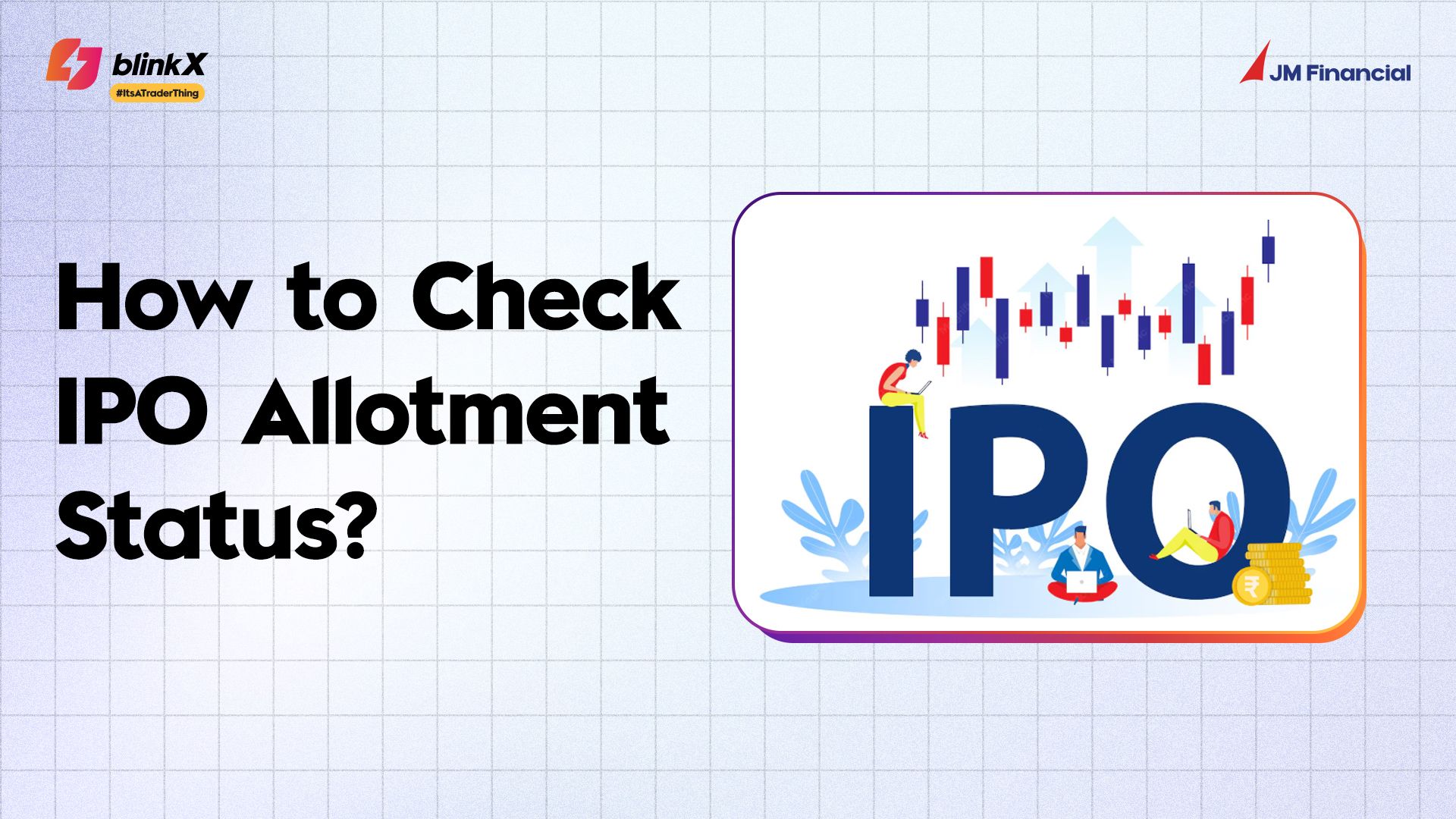
IPO allotment status can be checked online through stock exchange platforms, registrar websites, or notifications sent by depositories. After the subscription window closes, the allotment process determines whether and how many shares are allocated to each applicant. Registrars appointed to the IPO publish the allotment details once the allocation is completed. The allotment status helps investors understand the outcome of their application and decide their next course of action. This article explains how to check IPO allotment status online, the information required, factors influencing allotment, common mistakes, and ways to approach IPO applications effectively.
Methods to Check IPO Allotment Status
Knowing to do IPO allotment status check is crucial, individuals may check the status of their IPO allotment by simply following these avenues:
Method 1: Through BSE Website
Investors can verify their IPO allotment status check online by visiting the BSE official portal. The process involves selecting the equity issue type, choosing the specific IPO from available options, and entering personal details such as application number or PAN. The system displays the allotment status instantly once the registrar completes the allocation process.
Method 2: Through NSE Website
The NSE platform offers a similar facility for IPO allotment status check online. Investors navigate to the IPO section, select the relevant issue, and provide their application credentials. The interface presents clear information about allocation status and the number of shares allotted.
Method 3: Through Registrar Websites
Each IPO has an appointed registrar, such as Link Intime India Private Limited or KFin Technologies Limited. Visiting the registrar's website provides direct access to allotment information. Investors can search using their application number, Demat account details, or PAN to retrieve their specific IPO allotment status check online.
Method 4: Through Broker Platform
Most stockbrokers provide integrated services to check IPO allotment within their trading platforms. Investors can review their holdings section to see if allotted shares have been credited to their Demat account. This method offers convenience, as it consolidates all investment information in one place.
It’s crucial to know IPO allotment status check, further in the article, the documents needed and what factors affect IPO allotment are discussed.
Documents or Information Required to Check IPO Allotment
Investors need specific information to verify their IPO allotment status check:
- Application Number: The unique reference number generated when submitting the IPO application
- PAN (Permanent Account Number): Personal tax identification required for all securities transactions
- Demat Account Details: Including DP ID and Client ID linked to the IPO application
- IPO Name: The specific company whose allotment status is being checked
- Bid Details: Information about the price band and quantity applied for
Also Read: How to Apply for an IPO Online
Factors Affecting IPO Allotment
The following are a few variables that impact IPO Allotment:
- Company Fundamentals - Strong financial performance, robust business models, and proven track records attract substantial investor interest. Companies demonstrating solid fundamentals typically experience higher subscription rates, making the allotment process more competitive.
- Category-wise Distribution - IPO shares are divided among different investor categories including retail individual investors, high net worth individuals, qualified institutional buyers, and non-institutional investors. Each category has a reserved quota, and allotment within categories depends on the subscription level in that specific segment.
- Oversubscription Levels - When applications exceed available shares, the IPO becomes oversubscribed. Higher oversubscription ratios result in lower allotment chances as shares must be distributed among a larger pool of applicants through a lottery system for retail investors.
- Market Sentiment - Prevailing market conditions and investor sentiment during the IPO period influence demand. Favourable market environments and positive analyst recommendations can drive higher subscription rates, affecting individual allotment probabilities.
- Anchor Investor Participation - Strong participation from anchor investors signals confidence in the company's prospects. This often generates positive momentum and attracts additional retail and institutional interest, potentially increasing overall subscription levels.
Common Mistakes While Checking IPO Allotment Status
The following mistakes should be avoided while checking IPO allotment status.
- Incorrect Application Details: Providing mismatched information across PAN, bank account, and Demat account leads to technical rejections and disqualification from allotment.
- Multiple Applications from Same PAN: Submitting more than one application using identical PAN details results in rejection of all applications.
- Insufficient Funds: Not maintaining an adequate balance in the linked bank account causes application failure during fund blocking.
- Missing Application Deadlines: Failing to submit applications within the specified subscription period eliminates eligibility.
- Ignoring Cut-off Price Options: Not understanding price band selections and cut-off options may result in bids at non-optimal prices.
- UPI Mandate Delays: Delaying approval of UPI mandates for ASBA applications can lead to automatic rejection.
Disclaimer : All investments are subject to market risks, economic conditions, regulatory changes, and other external factors. Returns are not guaranteed and may vary based on market performance and investment tenure. Investors should assess their risk tolerance and financial objectives, conduct their own research, and consult a qualified financial advisor before making any investment decisions.
Conclusion
Understanding the factors that influence allocation and avoiding common application errors enhances the overall IPO investment experience. While regulatory frameworks ensure fair distribution, investors can optimise their approach through proper planning and strategic application methods. Success in IPO investing ultimately depends on combining efficient application processes with sound fundamental analysis of the companies going public.
- BlinkX launches ItsATraderThing Campaign
- blinkX Introduces 'Options Watchlist' to Empower Traders with Real-Time Insights
- BlinkX Enhances Trading with 24/7 Customer Support Capabilities
- Unlocking Seamless Trading: Introducing “Order Slicing” For The FnO Market
- A Game-Changer for Traders: Introducing Horizontal Watchlists
FAQs on IPO Allotment Status
How are shares allotted in an IPO?
Shares in an IPO are allotted based on the issuer's allocation criteria, often considering factors like demand and subscription and sometimes through lottery systems for oversubscribed offerings.
How can I find IPO stocks in India?
To find IPO stocks in India, check stock exchanges and financial news platforms, visit the official websites of SEBI, NSE, and BSE, or use brokerage apps for upcoming IPO announcements.
How do I make sure I get an IPO allotment?
To increase the chances of IPO allotment, apply with multiple demat accounts with different PAN, follow subscription details, and ensure necessary funds are available.
What is the IPO allotment date?
The IPO allotment date is when shares are allocated to successful applicants post subscription closure, typically a few days after the issue closes.
How do you check the IPO allotment status via the bank?
Check IPO Allotment Status via Bank by visiting the registrar's website or using the ASBA (Applications Supported by Blocked Amount) number to track allotment status.