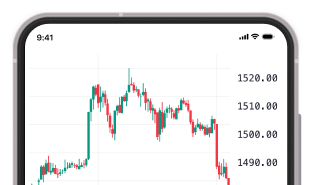
Nifty India Infrastructure & Logistics
₹-
0 (0%)
Nifty India Infrastructure & Logistics Performance
Nifty India Infrastructure & Logistics Historical Returns
Nifty India Infrastructure & Logistics Sector Weightage
List of Nifty India Infrastructure & Logistics Companies
| Company | Change% | Market Value |
|---|---|---|
| ACC Ltd | 0.26% | 1,133.00 (0.26%) |
| Aegis Logistics Ltd | 0.48% | 1,388.90 (0.48%) |
| Ashok Leyland Ltd | 0.03% | 145.06 (0.03%) |
| CESC Ltd | 3.50% | 133.23 (3.50%) |
| Aditya Birla Real Estate Ltd | 0.42% | 1,022.30 (0.42%) |
| CG Power & Industrial Solutions Ltd | -0.75% | 855.55 (-0.75%) |
| Elecon Engineering Company Ltd | -0.13% | 416.40 (-0.13%) |
| Elgi Equipments Ltd | 0.72% | 583.15 (0.72%) |
| GE Vernova T&D India Ltd | -0.13% | 4,194.40 (-0.13%) |
| Great Eastern Shipping Company Ltd | 0.26% | 1,533.70 (0.26%) |
Market Cap
21284.75
48722.31
85464.58
17656.6
11402.45
1,133.00 (0.26%)
1,388.90 (0.48%)
145.06 (0.03%)
133.23 (3.50%)
1,022.30 (0.42%)
About Nifty India Infrastructure & Logistics
Parent Organization
Nifty India Infrastructure & Logistics
Exchange
NSE
What is the Nifty Infrastructure Index?
The Nifty Infrastructure Index India represents companies that derive a significant portion of their revenues from infrastructure-related activities. These include sectors such as energy, utilities, construction, engineering, telecommunications, and real estate-linked infrastructure services.
The index was created to capture the performance of businesses that contribute directly to the development of physical and economic infrastructure in India. Since infrastructure spending is often linked to government policies, capital expenditure cycles, and economic growth, the index helps investors understand how this important segment of the economy is evolving.
Rather than tracking individual infrastructure stocks, the index offers a broad and structured view of the sector’s overall performance.
Nifty Infrastructure Index Stock Selection Criteria
Stocks are selected for the Nifty Infrastructure Index using a systematic and rule-based approach. This ensures that the index includes stable, liquid, and representative companies from the infrastructure domain.
Market Capitalisation and Liquidity Requirements
Companies must meet minimum market capitalisation thresholds to qualify. This ensures that only firms with meaningful market presence are considered. In addition, Nifty Infra stocks must show adequate trading volumes, reflecting sufficient liquidity and active investor participation.
Business Relevance to Infrastructure
Only companies that generate a significant portion of their revenues from infrastructure-related activities are eligible. These typically include sectors such as:
- Energy and power
- Utilities
- Construction and engineering
- Telecommunications
- Infrastructure-linked real estate
This sector-specific filter helps maintain the authenticity of the index while capturing the broad scope of infrastructure development.
Governance and Regulatory Compliance
Eligible companies must meet established governance, regulatory, and financial reporting standards. This ensures transparency and reliability for investors tracking the index.
Periodic Review and Maintenance
The index is reviewed at regular intervals to ensure continued relevance. Underperforming, non-compliant, or less representative companies may be replaced, while maintaining overall sector balance. This ongoing review process helps the index remain aligned with current infrastructure trends.
How is the Nifty Infrastructure Index Value Calculated?
The Nifty Infrastructure Index is calculated using the free-float market capitalisation method, which considers only the shares available for public trading.
Index Value = Current Index Market Capitalisation ÷ (Base Free-Float Market Capitalisation × Base Index Value)
The current index market capitalisation is calculated by multiplying a company’s outstanding Nifty Infra share price by its market price, the Investible Weight Factor (IWF), and a capping factor. The IWF is set to 1, as the index follows the market capitalisation-based weighting method.
The index is rebalanced semi-annually, using six months of data with cutoff dates on January 31 and July 31. Any changes to index constituents are implemented from the last trading day of March and September, ensuring the index continues to reflect the infrastructure sector accurately.
Performance of Nifty Infrastructure Index
The performance of the Nifty Infrastructure Index is closely linked to economic growth, government spending, and capital investment cycles. During periods of increased infrastructure development, policy support, and higher capital expenditure, the index tends to perform strongly.
However, performance may slow during economic downturns, funding constraints, or delays in project execution. As a result, the index often reflects medium- to long-term sector trends rather than short-term market movements.
Over time, the index highlights how infrastructure-focused companies respond to economic expansion, policy reforms, and investment cycles.
Factors to Consider Before Investing in Nifty Infrastructure Index Stocks
Before investing in products linked to the Nifty Infrastructure Index, investors should consider the following factors:
- Sector Concentration: The index is focused entirely on infrastructure-related companies, which increases sector-specific risk.
- Cyclical Nature: Infrastructure performance depends heavily on economic growth and government capital expenditure cycles.
- Volatility: Policy changes, interest rates, and project execution delays can cause fluctuations.
- Time Horizon Considerations: Infrastructure projects often take time to generate returns, which can affect short-term performance.
While the index offers targeted exposure, it may not suit investors seeking low volatility.
Who Should Track or Invest in the Nifty Infrastructure Index?
The Nifty Infrastructure Index may be suitable for investors who:
- Seek focused exposure to companies associated with India’s infrastructure sector
- Track long-term economic development and infrastructure-led growth trends
- Are aware of and comfortable with sector-specific risks and concentration exposure
- Use thematic or sectoral approaches as part of a broader, diversified portfolio
The index is generally tracked by investors with a medium- to long-term investment horizon, given the cyclical nature and extended project timelines common within the infrastructure sector.
How Can You Invest in the Nifty Infrastructure Index?
Individuals cannot invest directly in the index, but they can gain exposure through the following options:
- ETFs: Exchange-Traded Funds that track the index and trade on the NSE like regular shares.
- Index Funds: Mutual funds that replicate the index composition and aim to match its returns.
- Derivatives: Futures and options linked to the index, mainly used by experienced traders for hedging or short-term strategies.