
Contract for Difference



- ▶<strong>What Is a Contract for Difference (CFD)?</strong>
- ▶<strong>Understanding </strong><a href="https://blinkx.in/en/knowledge-base/derivatives/key-difference-between-forward-and-future-contract-in-derivatives"><strong><u>Contracts </u></strong></a><strong>for Difference (CFD)</strong>
- ▶<strong>Trading CFDs: Assets and Opportunities</strong>
- ▶<strong>Weighing the Pros and Cons of CFDs</strong>
- ▶<strong>Benefits of Trading CFDs</strong>
- ▶<strong>Risks and Challenges of Using CFDs</strong>
- ▶<strong>Example of a CFD</strong>
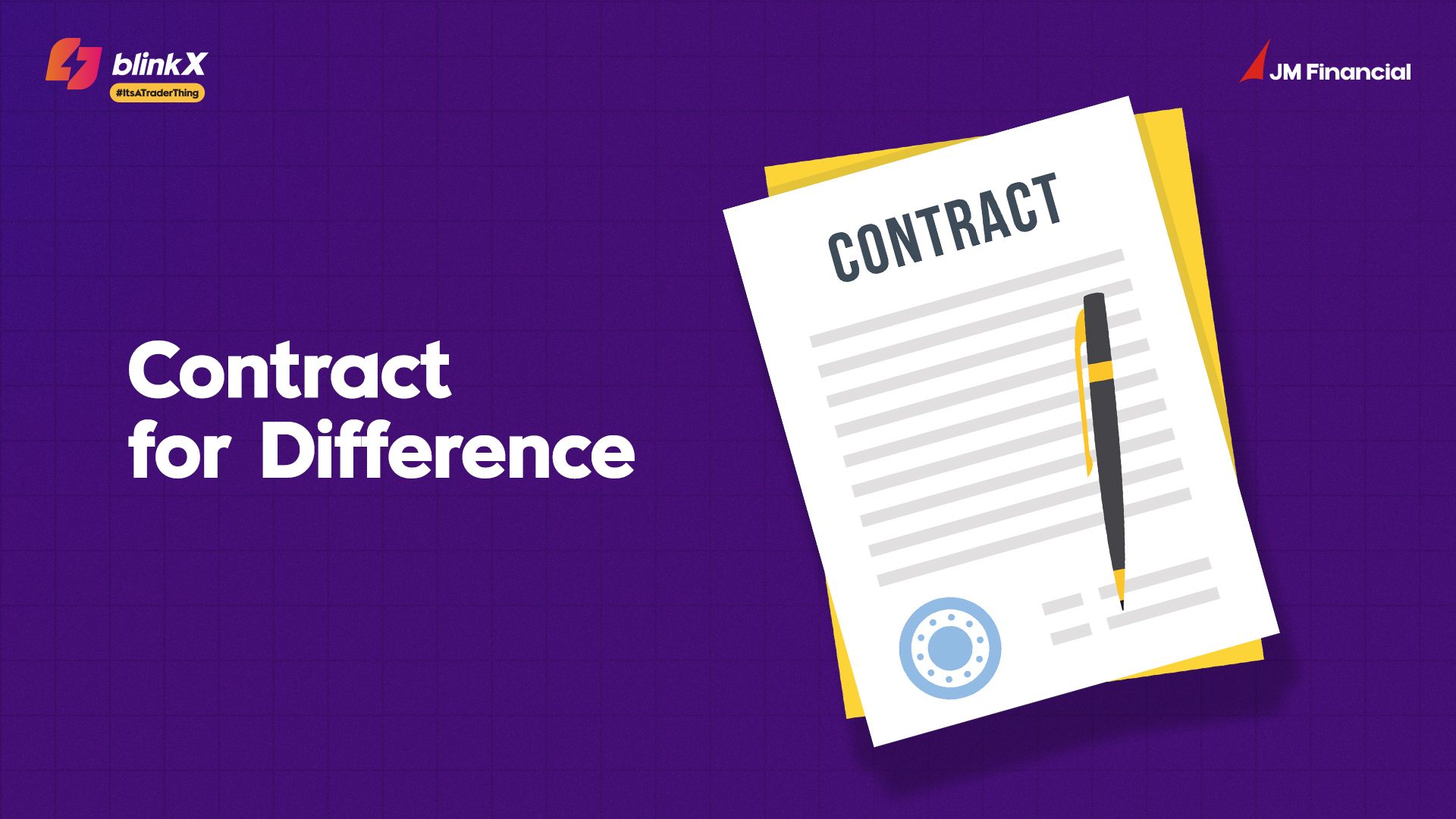
A CFD or contract for difference is an investment tool known as a derivative that enables the user to trade on the difference between the opening and closing price of an asset without owning it. When trading CFDs, whether you think the market will go up or down, you're agreeing to transfer the difference in value between the two different times (from when the contract was created until it was terminated).
What Is a Contract for Difference (CFD)?
This section defines what is CFD trading and how it serves as a versatile financial instrument for modern retail investors.
- Asset Independence: You can trade price movements without ever buying the underlying shares or commodities.
- Contractual Agreement: It represents a legal contract between a buyer and a broker to pay the price difference.
- Speculative Tool: Investors use it primarily to profit from short-term market fluctuations.
Understanding Contracts for Difference (CFD)
To truly grasp the CFD trading meaning, one must understand how leverage and margin function within these agreements.
- Leveraged Trading: You only need to deposit a fraction of the total trade value to open a position.
- Going Long or Short: Traders can profit from falling markets (shorting) just as easily as rising markets (going long).
- No Expiry Dates: Most contracts do not have a fixed expiry, allowing you to close the position whenever you choose.
Trading CFDs: Assets and Opportunities
Exploring what is CFD trading reveals a massive variety of global financial markets accessible from a single platform.
- Global Shares: Trade major international equities like Apple, Tesla, or Barclays without regional restrictions.
- Indices and Commodities: Speculate on entire stock indices (like the S&P 500) or hard assets like gold and oil.
- Forex and Crypto: Access volatile currency pairs and digital assets 24 hours a day.
Weighing the Pros and Cons of CFDs
Before diving in, you must evaluate how CFD works in terms of both its lucrative rewards and its steep risks.
- Balanced Approach: It requires a clear strategy to maximize the unique benefits while mitigating potential downsides.
- Magnified Outcomes: Because of leverage, both your potential profits and your potential losses are significantly amplified.
- Cost Structure: Understanding spread costs and overnight holding fees is crucial for long-term profitability.
Benefits of Trading CFDs
A major draw of a contract for difference is the sheer efficiency and flexibility it offers compared to traditional investing.
- Higher Leverage: Enables traders to gain large market exposure with a relatively small amount of capital.
- Global Market Access: Provides a gateway to thousands of diverse international markets from one trading account.
- Tax Efficiencies: In certain jurisdictions like the UK, these trades are exempt from stamp duty because you don't own the asset.
Risks and Challenges of Using CFDs
Learning how CFD works means recognizing that fast-moving, leveraged markets can rapidly deplete your trading account.
- Risk of Rapid Losses: High leverage can wipe out your initial margin deposit quickly if the market moves against you.
- Overnight Financing Costs: Holding positions open past market close incurs fees that can eat into your profits
- Liquidity and Execution Risk: During extreme market volatility, prices can gap, causing trades to execute at worse prices than expected.
Example of a CFD
To illustrate the CFD trading meaning in action, let's look at a straightforward scenario involving a stock purchase.
- The Setup: You believe Company X, currently trading at $100, will rise, so you buy 100 contracts.
- The Mechanism: Instead of paying $10,000 for the actual shares, you only put down a 5% margin ($500).
- The Outcome: If the stock rises to $110 and you close the trade, you receive the $1,000 difference from your broker.
- BlinkX launches ItsATraderThing Campaign
- blinkX Introduces 'Options Watchlist' to Empower Traders with Real-Time Insights
- BlinkX Enhances Trading with 24/7 Customer Support Capabilities
- Unlocking Seamless Trading: Introducing “Order Slicing” For The FnO Market
- A Game-Changer for Traders: Introducing Horizontal Watchlists
FAQs on Contract for Difference
What is CFD trading?
It is a method of speculation where you trade the price movement of financial assets without owning the underlying property.
How does CFD work for retail investors?
It works by allowing you to mirror the price action of an asset using leverage, paying or receiving the cash difference when the trade closes.
Can you lose more than your deposit in a contract for difference?
Yes, due to leverage, losses can exceed your initial margin deposit if your broker does not offer negative balance protection.
Is a contract for difference the same as buying actual stocks?
No, because you never own the underlying stock and do not have voting rights or standard shareholder privileges.
What is the primary difference between going long and going short?
Going long means you profit if the asset price rises, while going short means you profit if the asset price falls.