Nifty Energy
₹-
0 (0%)
Nifty Energy Performance
Nifty Energy Historical Returns
Nifty Energy Sector Weightage
List of Nifty Energy Companies
| Company | Change% | Market Value |
|---|---|---|
| Aegis Logistics Ltd | 2.68% | 1,395.90 (2.68%) |
| CESC Ltd | 0.52% | 134.43 (0.52%) |
| CG Power & Industrial Solutions Ltd | 3.37% | 912.00 (3.37%) |
| GE Vernova T&D India Ltd | -0.06% | 4,245.10 (-0.06%) |
| ABB India Ltd | 3.30% | 7,122.50 (3.30%) |
| Castrol India Ltd | 0.35% | 200.20 (0.35%) |
| Reliance Industries Ltd | 2.66% | 1,218.00 (2.66%) |
| Siemens Ltd | 4.13% | 3,854.00 (4.13%) |
| Tata Power Company Ltd | 0.04% | 351.65 (0.04%) |
| Bharat Petroleum Corporation Ltd | 1.20% | 300.50 (1.20%) |
Market Cap
49013.64
17822.29
143540.92
109077.3
150647.78
1,395.90 (2.68%)
134.43 (0.52%)
912.00 (3.37%)
4,245.10 (-0.06%)
7,122.50 (3.30%)
About Nifty Energy
Parent Organization
Nifty Energy
Exchange
NSE
What is the Nifty Energy Index?
The Nifty Energy Index is a sectoral index that reviews the performance of India’s energy sector. This index was created to monitor the market behaviour of businesses that are involved in petroleum, gas, power, and other energy-related activities. This helps investors in understanding the trends and performance within the energy segment.
Nifty Energy Index Stock Selection Criteria
Here is a step-by-step guide on the stock selection process for the Nifty Energy share list.
Part of Nifty 500 Membership
The stocks must be listed on the National Stock Exchange (NSE) and form part of the Nifty 500 Index.
Sector Classification
The company must be classified under the energy sector. This includes all the businesses that are engaged in petroleum, gas, power, and related activities.
Trading Frequency Requirement
Before getting listed on the Nifty Energy stocks list, it is important for the stock to be traded on at least 90% of the trading days during the last six months
Listing History
It is necessary for the company to have a minimum listing history of one month as of the cutoff date.
Final Stock Selection
The stocks are selected based on their free-float market capitalisation.
Stock Weightage Limits
The weightage of the stocks is calculated using the free-float market capitalisation. This is subject to the following caps at the time of rebalancing:
- Maximum weight of a single stock: 33%
- Combined weight of the top three stocks: 62%
How is the Nifty Energy Index Value Calculated?
The Nifty Energy Index value is calculated using the free-float market capitalisation method.
Formula:
Index Value = (Total Free-Float Market Capitalisation ÷ Base Market Capitalisation) × Base Index Value
This method ensures the index reflects actual price movements and the overall market performance of energy sector stocks.
Performance of Nifty Energy Index
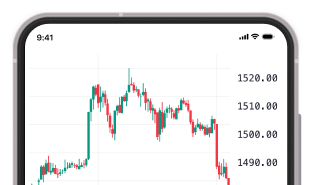
The goal of Nifty Energy companies is to track the performance of the major energy sector companies that are listed on the NSE. Over the past year, the Nifty Energy stock has shown moderate growth that shows steady demand for energy and stable crude oil prices. In the three- to five-year period, the index has delivered stronger returns, driven by expansion in renewable energy projects and recovery in conventional energy consumption. Short-term volatility often mirrors global crude oil fluctuations and policy changes in the energy sector. Overall, the index’s performance indicates a resilient sector with opportunities for both growth and cyclical gains.
Factors to Consider Before Investing in Nifty Energy Index Stocks
Here are some factors investors need to consider before investing in the Nifty Energy Stocks.
- Revenue Structure: The energy companies are making capital through several sources, including crude oil and natural gas production, power generation, renewable energy projects, and distribution. Having a diversified revenue base can aid in reducing reliance on one segment and stabilise returns.
- Prices of World Commodities: The prices of crude oil, natural gas and coal have a strong influence on the profitability of energy companies. Investors ought to keep a check on the world commodity prices and geopolitics that may either influence supply or demand.
- Policies and regulations: The energy sector is very regulated, and there are policies concerning the price, environmental norms, subsidies, and renewable energy requirements. Regulatory change may impact costs of operation, project approvals and visibility of revenue.
- Technological and Green Transition: Firms that invest in renewable energy, energy storage, and clean technology are in a better position to enjoy the global transition to sustainable energy. Companies that are slow in implementing new technology can experience increased risk in operations.
- Demand Trends: The performance of the sector is influenced by the economic growth, industrial activity, and energy consumption trends. The changes in energy efficiency or alternative fuels have the ability to hit the traditional energy businesses in the long run.
Who Should Track or Invest in the Nifty Energy Index?
The Nifty Energy Index may be suitable for investors and traders looking for targeted exposure to the energy sector. Long-term investors with an appetite for sector-specific risk can benefit from opportunities in oil, gas, power, and renewable energy growth. Traders may also track the index to capitalise on short-term price movements and energy market volatility. Overall, it is appropriate for investors who understand the sector’s cyclical nature and prefer investing in a specific industry rather than broad market indices.
How Can You Invest in the Nifty Energy Index?
Investors can gain exposure to the nifty energy share price through index-based investment vehicles such as ETFs and index mutual funds, which track the sector’s performance without directly buying individual stocks. Traders may also use derivatives like index futures and options to take short-term positions based on market movements, though these require experience and involve higher risk.