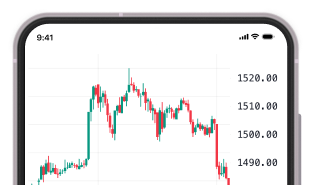
Hotel Stocks in India by Market Cap & Growth


The hospitality sector is experiencing robust expansion driven by rising disposable incomes, domestic tourism, and corporate travel. Evaluating hotel stocks in India by market capitalization and revenue growth helps investors identify industry leaders.
The Indian hospitality landscape is undergoing a structural transformation, making hotel stocks in India a focal point for modern equity portfolios.
Market Evolution: Changing consumer lifestyles and a surge in domestic tourism are driving consistent demand across urban and leisure destinations.
Economic Impact: The travel and tourism ecosystem contributes significantly to employment and service sector expansion nationwide.
Investment Relevance: Tracking performance trends helps market participants navigate cyclical opportunities within hotel company shares.
What Are Hotel Stocks?
Hotel company shares represent fractional ownership in publicly listed businesses that build, manage, and franchise properties, resorts, and dining networks.
Business Models: Companies range from asset-heavy owners of luxury real estate to asset-light brand managers focusing purely on hospitality services.
Revenue Drivers: Growth depends directly on room bookings, food and beverage sales, and banquet hosting services.
Market Classification: Publicly traded hotel sector stocks in India are categorized across large-cap giants, mid-cap regional players, and small-cap boutique operators.
Table of Contents
Hotel Stocks in India
The domestic market features a diverse mix of legacy hospitality leaders and fast-growing emerging operators.
Large-Cap Leaders: Industry titans like The Indian Hotels Company Limited lead hotel stocks in India with extensive multi-brand portfolios.
Mid-Cap Competitors: Established firms such as EIH (Oberoi) and Chalet Hotels maintain standards in luxury and business segments.
Emerging Alternatives: Value-focused chains and regional hospitality players provide broader exposure via alternative hotel company shares.
Why Invest in Hotel Stocks?
Allocating capital to hotel sector stocks in India offers unique advantages for growth-oriented portfolios.
Operating Leverage: Once properties cover fixed overhead costs, occupancy surges translate into exponential profit expansion.
Discretionary Growth: Rising disposable income encourages spending on leisure travel, weekend getaways, and luxury vacations.
Inflation Hedge: Premium hotel properties can adjust room tariffs dynamically on a daily basis to offset rising operational costs.
Key Financial Metrics to Evaluate Hotel Stocks
Analysing performance metrics ensures sound decision-making when researching hotel stocks in India.
RevPAR and ARR: Revenue Per Available Room (RevPAR) and Average Room Rate (ARR) serve as core indicators of pricing power and operational efficiency.
Occupancy Ratios: Tracking sustained occupancy levels helps investors gauge steady consumer demand rather than seasonal spikes.
Debt-to-Equity: Since real estate development is capital-intensive, monitoring leverage levels for hotel company shares is vital for risk assessment.
Hotel Stocks by Segment
The industry is segmented into distinct tiers catering to varied consumer budgets and travel preferences.
Luxury and Upscale: Properties command superior pricing power and cater to affluent international and domestic business travellers.
Mid-Scale and Business: Focused on corporate hubs and commercial centres, delivering steady year-round occupancy rates.
Budget and Leisure: Rapidly expanding across pilgrimage centres and holiday hotspots within hotel sector stocks in India.
Factors Driving Growth in the Hotel Industry
Multiple macroeconomic tailwinds continue to accelerate expansion across the Indian hospitality landscape.
Infrastructure Boost: Development of new airports, expressways, and rail networks vastly improves destination accessibility.
MICE Tourism: A sharp rise in corporate meetings, incentives, conferences, and exhibitions (MICE) fuels continuous weekday demand.
Religious Tourism: Massive infrastructure upgrades around spiritual circuits drive heavy year-round footfall into regional hotel stocks in India.
Risks of Investing in Hotel Stocks
Understanding potential headwinds is essential before purchasing hotel company shares.
Cyclical Volatility: Economic downturns or geopolitical shocks can instantly reduce discretionary travel and corporate budgets.
Fixed Costs: Properties require continuous maintenance, heavy renovation outlays, and fixed debt servicing regardless of occupancy swings.
Intense Competition: Rapid supply additions from branded chains and alternative homestay networks can compress room margins.
Should You Invest in Hotel Stocks?
Determining your allocation to hotel sector stocks in India depends heavily on your individual financial goals and risk appetite.
Time Horizon: Long-term investors are better positioned to ride out short-term quarterly tourism fluctuations and seasonal dips.
Portfolio Diversification: Hospitality holdings should complement core asset classes rather than constitute an outsized portion of your savings.
Risk Tolerance: Investors must remain comfortable with earnings volatility characteristic of consumer discretionary sectors.
FAQs on Hotel Stocks in India
What is the best way to start investing in Indian hotel stocks?

The simple and best way is by creating a trading account with a stockbroker and purchasing shares of the hotel industry listed on the stock exchange.
Are hotel stocks good for long-term investment?
They can be rewarding for patient investors tracking structural tourism growth, provided they tolerate cyclical downturns.
How to reduce the risks associated with buying hotel stocks?
To reduce risk you should invest in a variety of hotel stocks and have proper knowledge of the latest reports regarding the market and economic developments.
Which hotel chain in India is growing fast?
One of the hotel chains in India that is growing fast is Sarovar Hotels and Resorts. It is currently making a comeback in Africa, where it has gained significant traction after the end of the COVID-19 pandemic.
What benefits come with purchasing hotel stocks?
The benefits of purchasing the hotel stocks are growth from rising tourism, consistent dividend income, brand strength, holdings of valuable real estate, growth potential from increased tourists, and advantages from technological improvements.
What are hotel stocks?
Equities representing ownership in corporations that own, operate, or franchise lodging and hospitality assets.
What financial ratios should investors analyse?
Key focus areas include Debt-to-Equity, Price-to-Earnings (P/E), Return on Capital Employed (ROCE), and operating margins.
What is RevPAR?
Revenue Per Available Room, calculated by multiplying average room rates by occupancy percentage.
What is ARR in the hotel industry?
Average Room Rate, which measures the average rental income generated per paid occupied room daily.
How does tourism impact hotel stocks?
Domestic and foreign tourist inflows directly boost occupancy levels and improve revenues.
Are hotel stocks cyclical?
Yes, their financial performance closely mirrors broader economic cycles and discretionary consumer spending patterns.
What are the risks of investing in hotel stocks?
Primary risks include fixed capital costs, vulnerability to travel disruptions, and local oversupply.